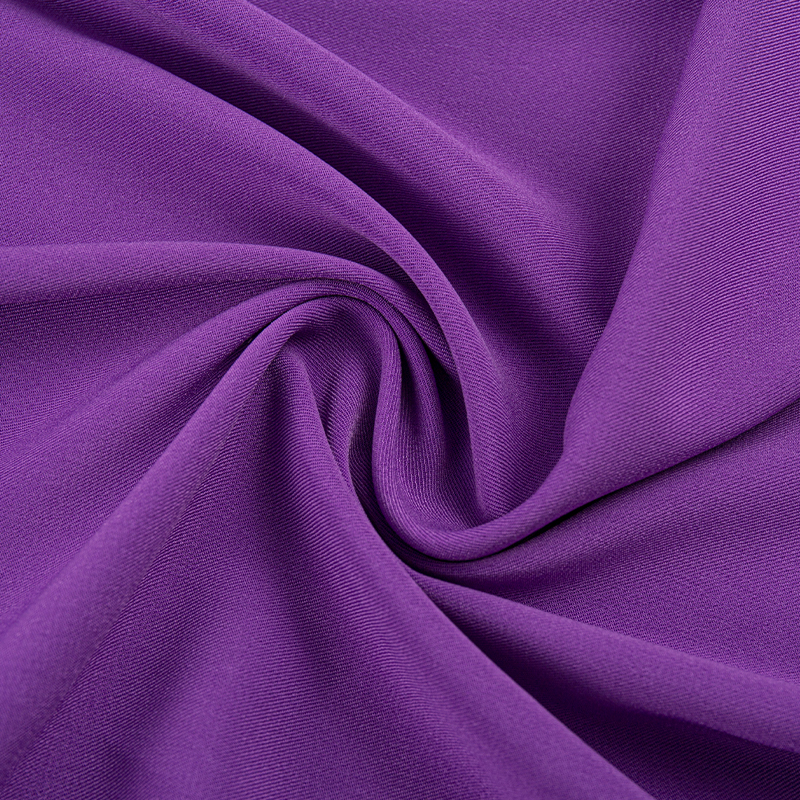
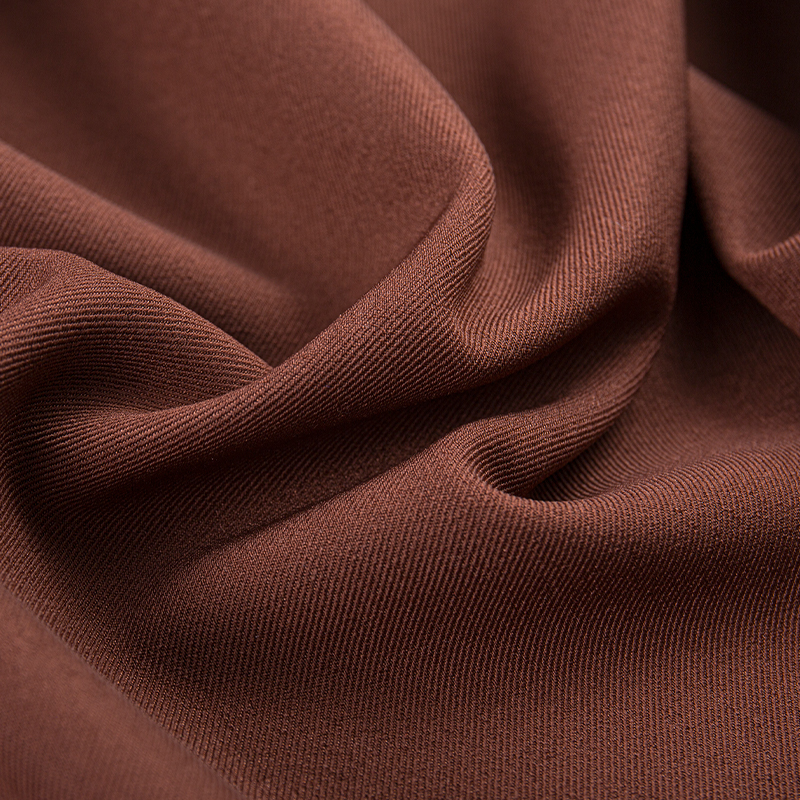
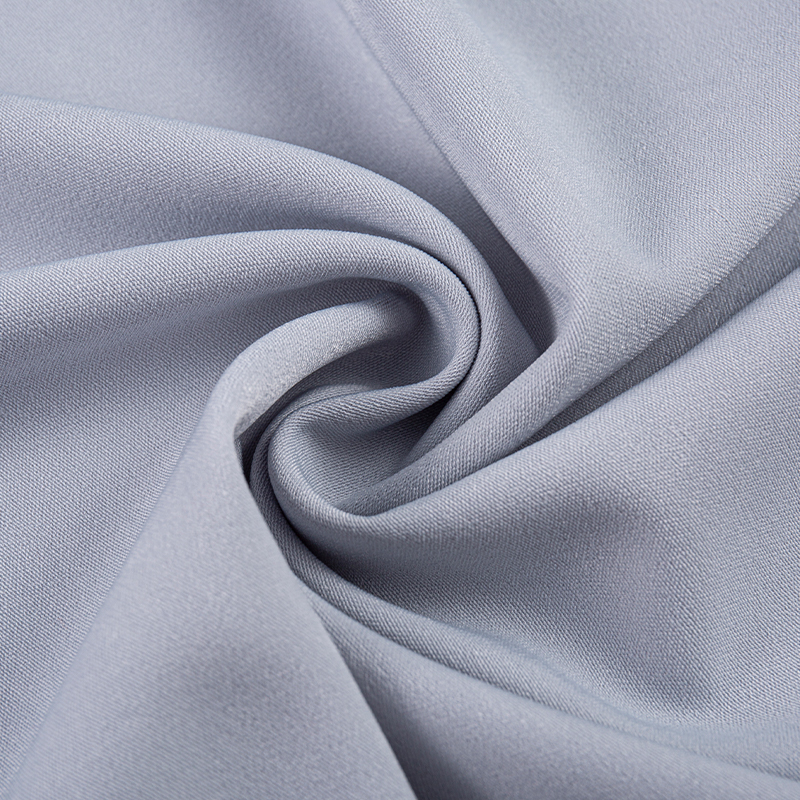
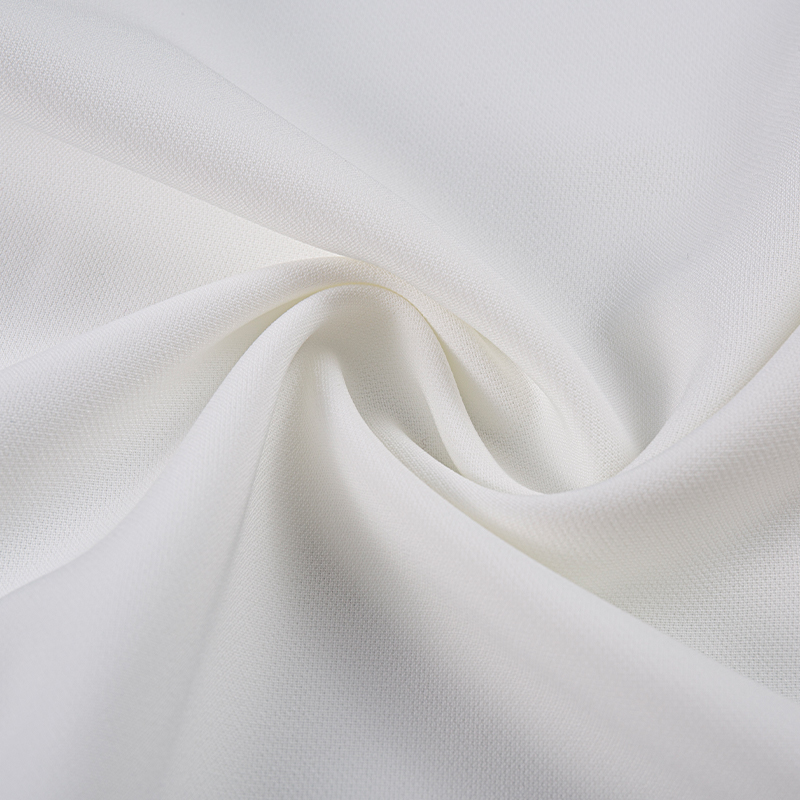
Silk Blended Fabric: Combining Luxury and Practicality in Modern Textiles
Silk has always been a symbol of elegance and refinement. Its smooth surface, natural luster, and excellent breathability make it one of the most desirable fabrics in human history. However, pure silk, while luxurious, also comes with certain limitations—it is delicate, costly, and requires careful maintenance. These characteristics often limit its application in modern mass production and daily use.
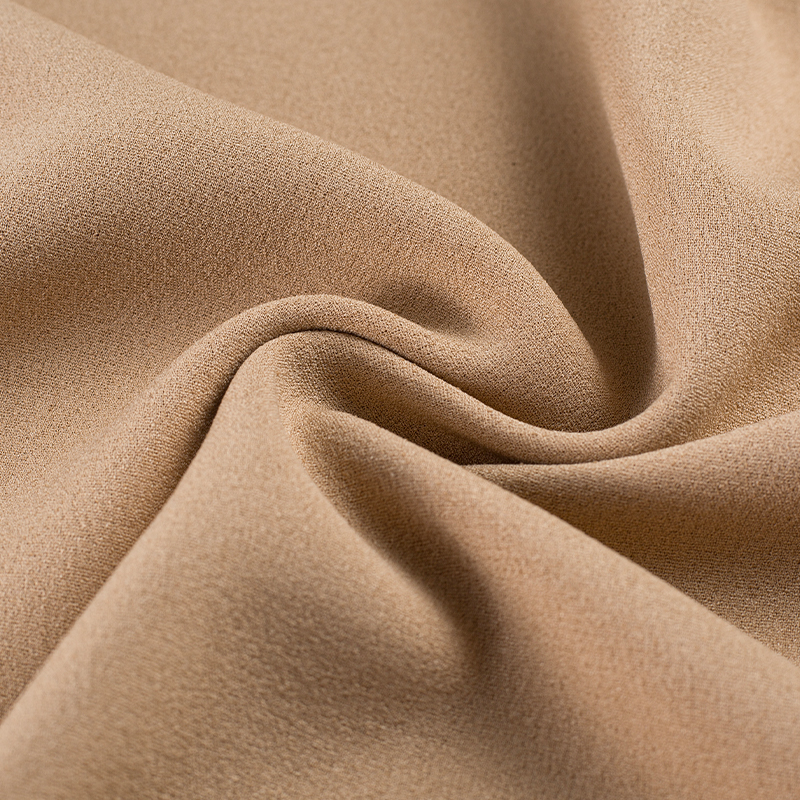
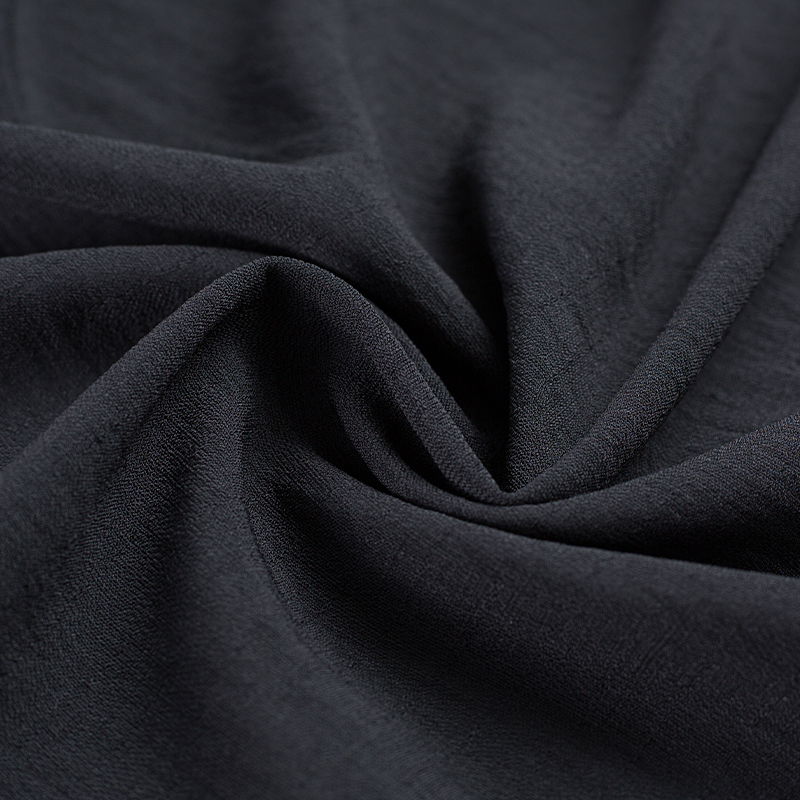
To address this, the textile industry has increasingly embraced silk blended fabrics, which combine silk with other fibers such as cotton, polyester, viscose, or wool. This blending process creates materials that retain the soft sheen and natural comfort of silk while enhancing durability, elasticity, wrinkle resistance, and cost efficiency. For example, silk blended with cotton creates a breathable and skin-friendly fabric suitable for summer wear, while silk blended with polyester improves wrinkle resistance and affordability without losing the signature elegance of silk. Similarly, silk-wool blends are valued for warmth and luxury in winter garments.
The Advantages of Silk Blended Fabrics
1. Enhanced Durability – By integrating synthetic or natural fibers, the fabric becomes more resistant to wear and tear.
2. Improved Cost-Effectiveness – Blends reduce the reliance on pure silk, lowering overall costs while maintaining a premium look.
3. Versatility in Applications – From fashion apparel to interior textiles, silk blends cater to multiple industries.
4. Easier Care and Maintenance – Unlike pure silk, many blends can be washed more easily and resist wrinkles better.
5. Sustainability Potential – With proper fiber choices, blends can balance elegance with environmental responsibility.
Applications Across Industries
Fashion and Apparel: Designers increasingly use silk blends for dresses, blouses, suits, and scarves. These fabrics provide the fluid drape and shine of silk while ensuring comfort and practicality for everyday wear.
Home Textiles: Curtains, bedding, and cushions made from silk blends offer luxury aesthetics with added durability, making them suitable for long-term use.
Upholstery and Interior Design: In furniture applications, silk blends provide a premium appearance while resisting damage, an advantage pure silk cannot always deliver.
Technical Textiles: Some blends are used in advanced fabrics that require strength and flexibility, expanding the reach of silk beyond traditional markets.
Industry Trends and Market Outlook
With global consumers seeking products that balance luxury with practicality, the demand for silk blended fabrics continues to rise. Additionally, sustainability has become a driving force in the textile industry. Blends that incorporate eco-friendly fibers help optimize resource use and reduce environmental impact. The growing middle class in developing countries, coupled with increasing demand for premium yet affordable fabrics in established markets, ensures that silk blends will remain highly relevant in the future.
Company Contribution to Silk Blended Fabric Innovation
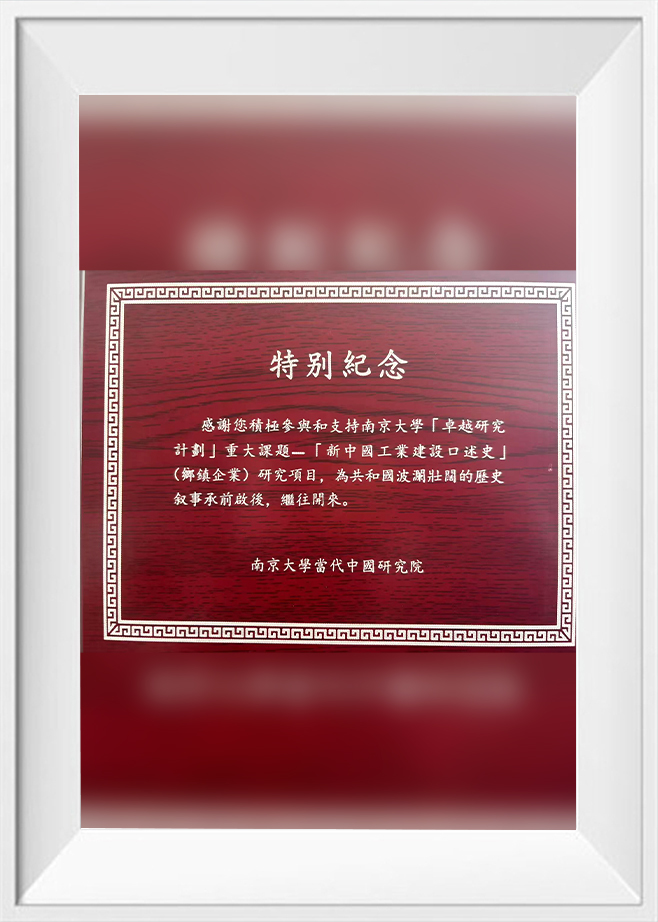
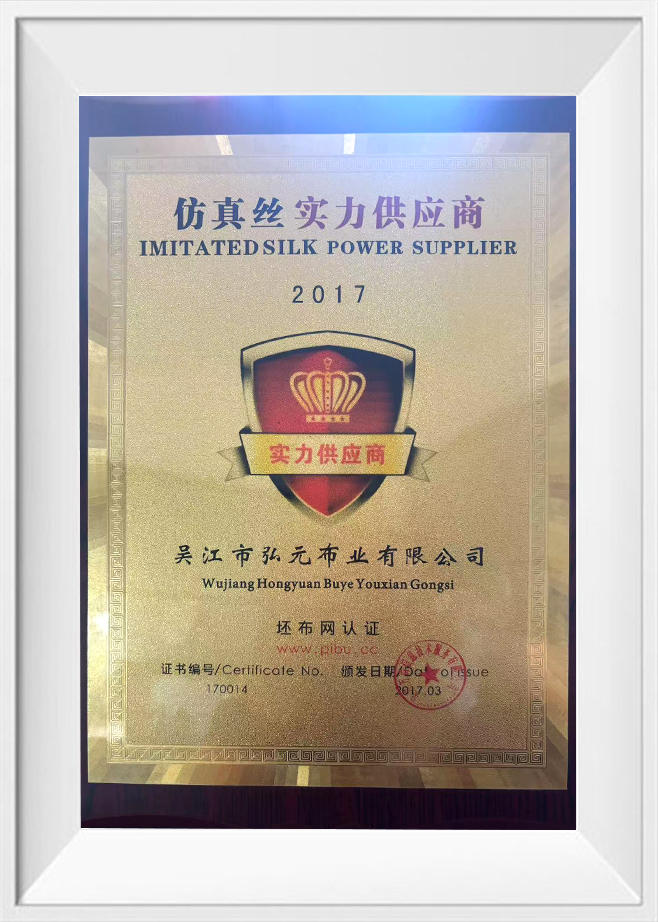
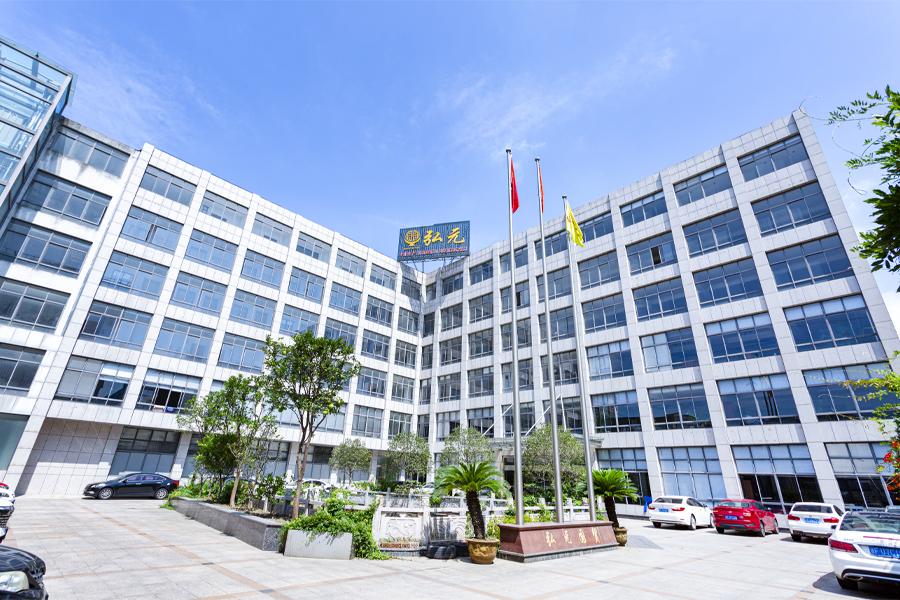
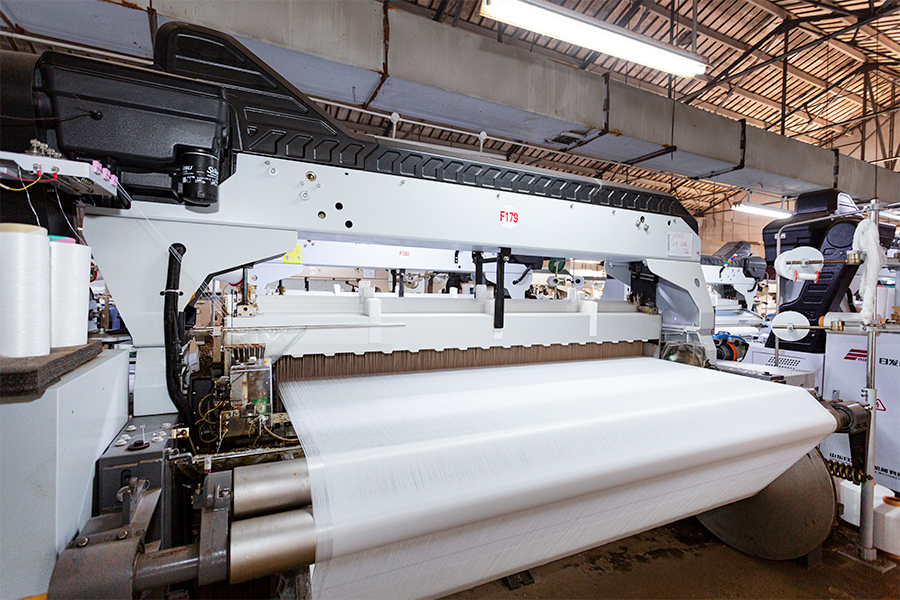
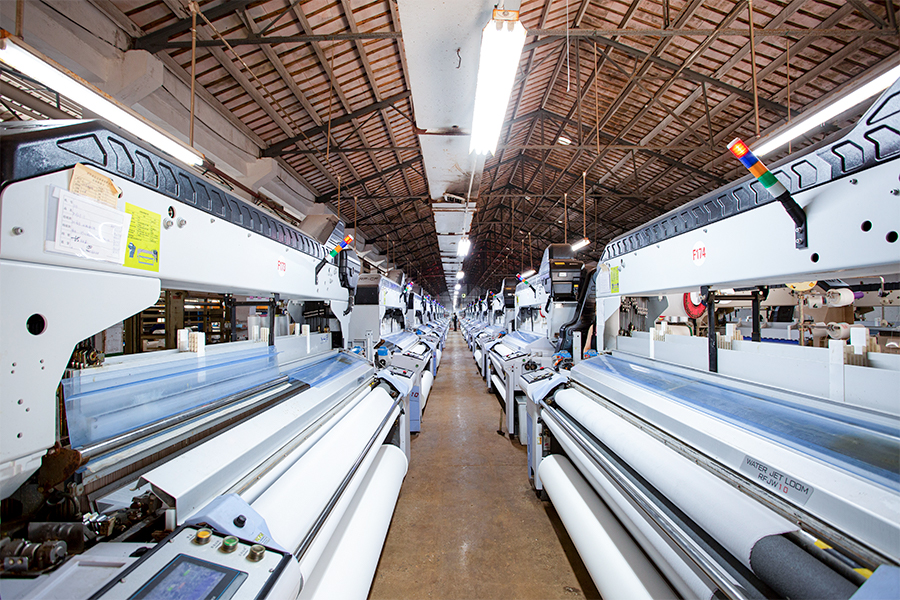
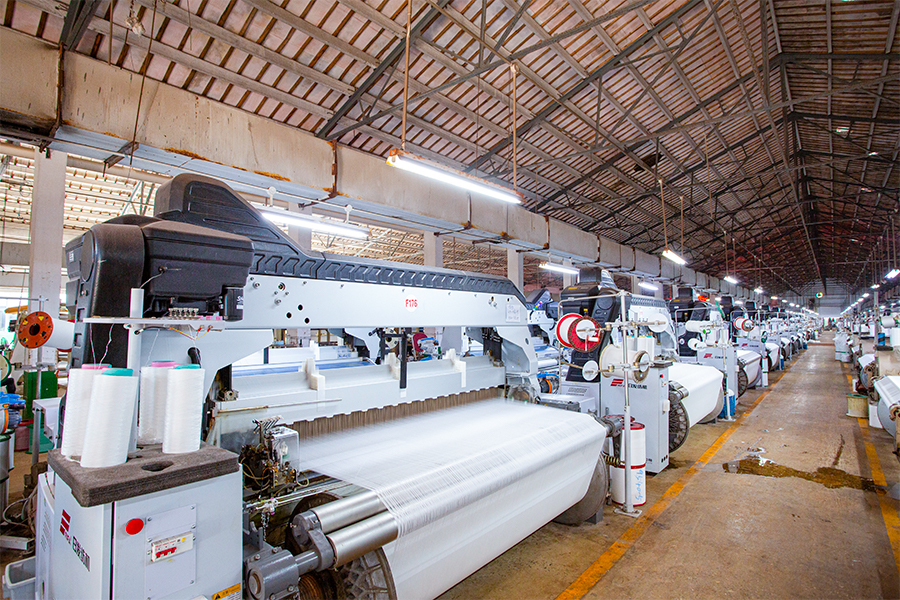
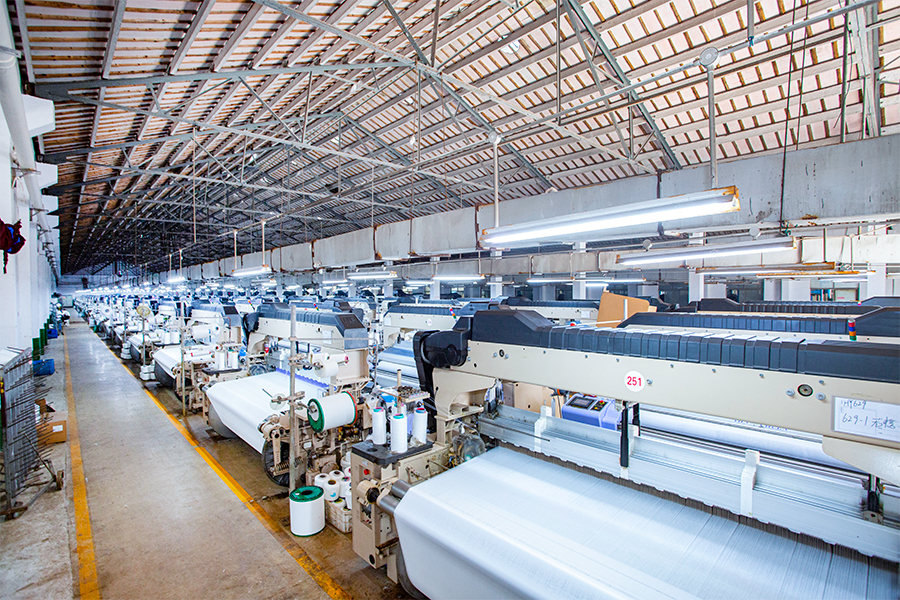
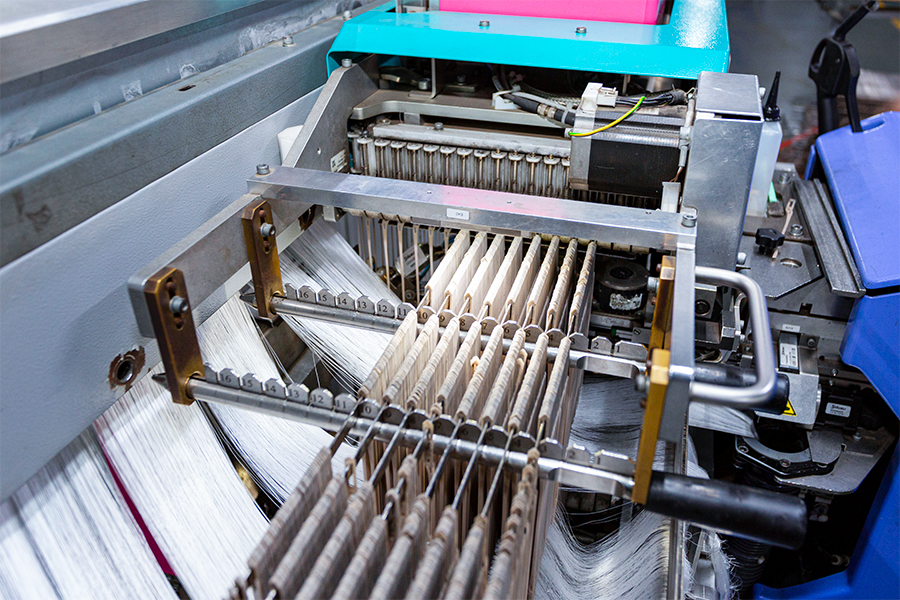
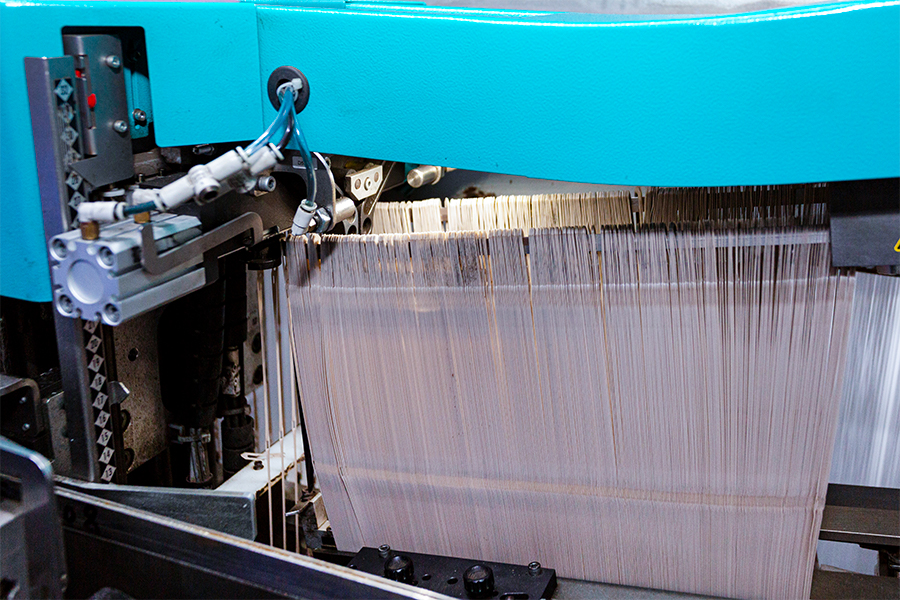
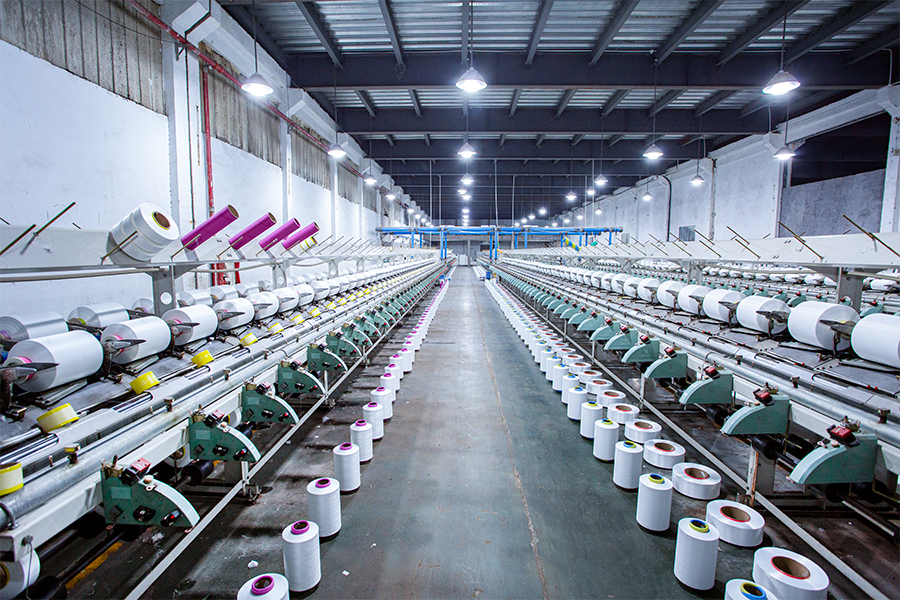
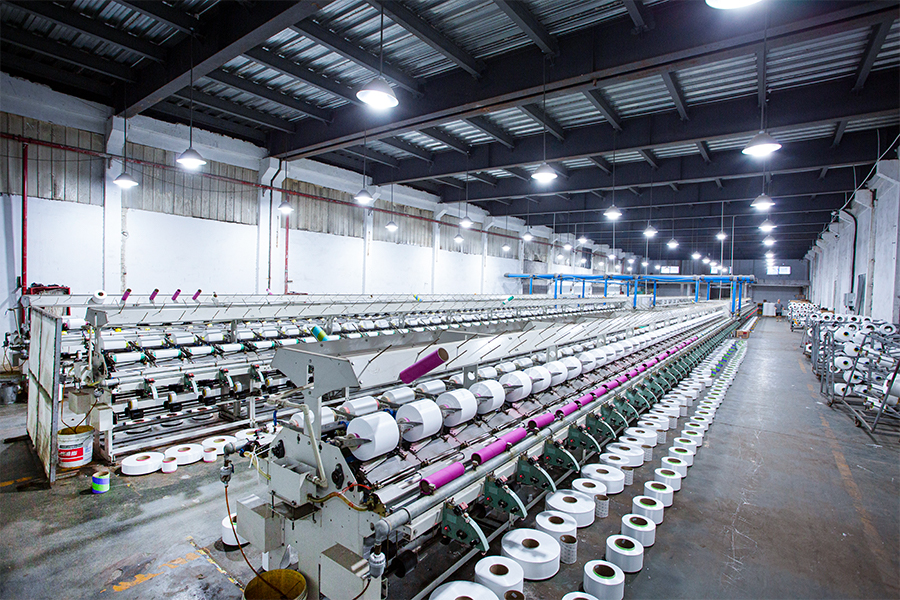
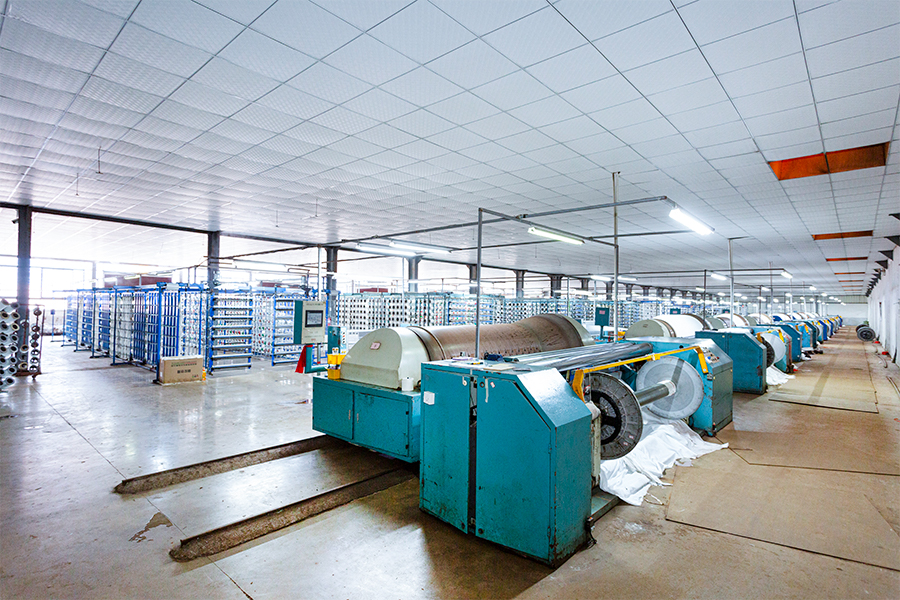
Founded in the 1990s and deeply rooted in Shengze, China’s Silk Capital, the company has been dedicated to textile innovation for more than 30 years. With a modern production facility covering 100 acres and 60,000 square meters, it operates 500 water jet looms and employs over 500 skilled staff. The plant is supported by advanced equipment, including 400 double twisting machines and more than 10 sets of warp drawing systems, ensuring efficient and high-quality output.
This strong infrastructure allows the enterprise to specialize in developing diverse silk blended fabrics that meet the needs of both domestic and international markets. Its annual sales exceeding 500 million yuan demonstrate its leadership and competitive edge in the industry. By consistently combining traditional craftsmanship with modern technology, the company plays a pivotal role in advancing the application of silk blends in global markets.
Conclusion
Silk blended fabrics represent the perfect harmony of luxury and practicality in modern textiles. They not only retain the timeless elegance of silk but also address its limitations by offering durability, affordability, and broader functionality. With decades of expertise, advanced facilities, and a commitment to innovation, enterprises in Shengze are well positioned to guide the industry toward a future where silk blends define the balance between elegance and everyday usability.
How Silk Blended Fabrics Enhance Comfort, Durability, and Style
Silk has long been celebrated as one of the world’s most elegant fabrics. Its smooth texture, shimmering appearance, and natural breathability have made it a symbol of refinement for centuries. Yet, pure silk also has inherent limitations. It is delicate, requires special care, and is more expensive than many other fibers. These factors can restrict its use in modern textiles where practicality is just as important as beauty. To meet the needs of today’s consumers, the industry has increasingly turned to silk blended fabrics, which successfully combine the grace of silk with the performance advantages of other fibers.
By blending silk with cotton, polyester, viscose, or wool, manufacturers create fabrics that preserve silk’s elegance while improving resilience, versatility, and affordability. This innovation has not only expanded the scope of silk in fashion but also opened new possibilities in home décor, upholstery, and technical textiles. The combination of comfort, durability, and style makes silk blends one of the most important developments in contemporary fabric design.
Enhancing Comfort
Comfort is one of the most attractive qualities of silk blended fabrics. The natural softness of silk provides a gentle, skin-friendly touch, while other fibers enhance wearability in everyday life. For instance, silk-cotton blends are light, breathable, and ideal for summer clothing, balancing luxury with casual comfort. Viscose-silk fabrics improve moisture absorption, making them suitable for intimate wear and luxury bedding where breathability and freshness are key. Unlike purely synthetic fabrics, which may feel heavy or irritate the skin, silk blends maintain a cool and pleasant sensation, providing long-lasting comfort even during extended wear.
This quality makes silk blended fabrics especially popular in apparel such as blouses, dresses, scarves, and lingerie, as well as in lifestyle products like sheets and pillowcases. The adaptability of these blends means they can meet diverse consumer needs without compromising on the premium feel that silk naturally provides.
Building Durability
While silk is admired for its beauty, it is not naturally designed for rough use. Pure silk garments can wear out quickly, wrinkle easily, and lose their appeal with frequent washing. Silk blends solve this problem by adding strength and stability through complementary fibers. Polyester, for example, gives silk blends wrinkle resistance, making fabrics easier to maintain. Wool brings resilience and warmth, making the material more suitable for outerwear and winter garments. Even a small percentage of these fibers in a silk blend can dramatically increase the fabric’s lifespan.
Durability is not only beneficial for consumers but also for designers and retailers. Stronger fabrics reduce waste, offer greater customer satisfaction, and increase the value of the final product. Upholstery, curtains, and other household uses also rely on the added strength of blends, allowing consumers to enjoy the luxurious look of silk in applications that require greater endurance.
Elevating Style
Few fabrics can match the natural beauty of silk. Its luster and fluid drape bring sophistication to any design. When blended, silk enhances the aesthetic qualities of other fibers, elevating ordinary textiles into something visually distinctive. Designers appreciate silk blends because they combine style with practicality, making it possible to create garments that are both fashionable and functional. The fabric’s versatility supports a wide range of uses, from elegant evening wear to modern office attire, ensuring that consumers can enjoy timeless luxury in their everyday wardrobe.
In home interiors, silk blends bring a sense of refinement to curtains, upholstery, and cushions. They provide a subtle sheen that brightens spaces while maintaining the durability needed for daily use. This duality of beauty and strength makes silk blends a favorite among both fashion designers and interior decorators.
Industry Application and Market Growth
The rise of silk blended fabrics reflects broader trends in the global textile industry. Consumers today are more demanding than ever, seeking materials that balance luxury, performance, and sustainability. Silk blends meet these demands by offering the elegance of silk without its limitations, making them suitable for mass-market fashion as well as high-end collections. Their adaptability also extends to technical applications, where flexibility and strength are needed alongside comfort.
Another factor driving growth is sustainability. Pure silk production requires significant resources, but blending silk with other eco-friendly fibers helps optimize raw material use and reduce costs. This makes silk blends not only practical but also more environmentally responsible, aligning with the growing consumer preference for sustainable textiles.
Company Contribution to Silk Blended Fabric Innovation
Founded in the 1990s, the company has been deeply involved in textile development for more than 30 years. Located in Shengze, the first town in China known as the Silk Capital, it benefits from a strong industrial foundation in silk production. Over time, it has grown into a large-scale enterprise with a standardized production facility covering 100 acres and 60,000 square meters. The factory is equipped with 500 water jet looms and supported by a workforce of more than 500 skilled employees.
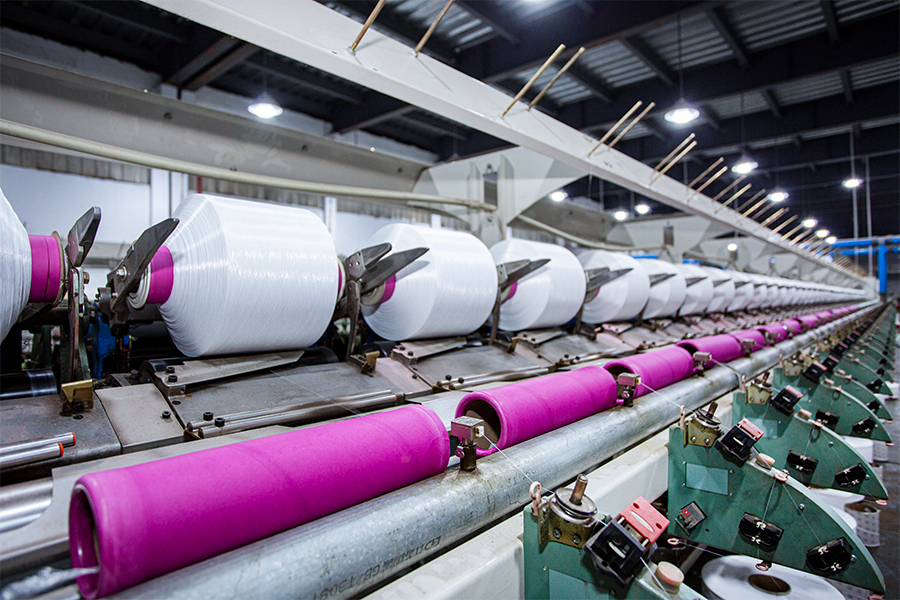
To ensure quality and efficiency, the company operates advanced facilities, including 400 double twisting machines and over 10 sets of warp drawing equipment. This strong technical base allows it to produce high-performance silk blended fabrics that meet both domestic and international demand. With annual sales exceeding 500 million yuan, the company demonstrates not only its competitive strength but also its commitment to innovation in the textile industry.
By integrating modern technology with traditional craftsmanship, the company has become a leader in creating fabrics that enhance comfort, durability, and style. Its ability to deliver high-quality blends ensures it plays a significant role in shaping the future of silk-based textiles.
Conclusion
Silk blended fabrics are an essential innovation in modern textiles. They preserve the elegance of silk while improving comfort, adding durability, and elevating style across fashion, interiors, and technical applications. By combining beauty with practicality, these fabrics respond to the evolving needs of global consumers. With decades of experience, advanced facilities, and strong market performance, enterprises in Shengze are well positioned to continue driving the development of silk blends, ensuring that luxury and everyday functionality can exist in perfect balance.